News

How Do Automotive Grilles Improve Vehicle Performance and Design?

2026-02-25 0 Leave me a message

Article Summary
Automotive grilles are far more than decorative components on a vehicle’s front end. They directly influence airflow management, engine cooling efficiency, brand identity, and even long-term vehicle durability. This in-depth article explains how automotive grilles function, what problems they solve for manufacturers and buyers, and how to select the right grille solution for different vehicle applications. Practical comparisons, structured tables, and clear explanations are provided to address real customer concerns.

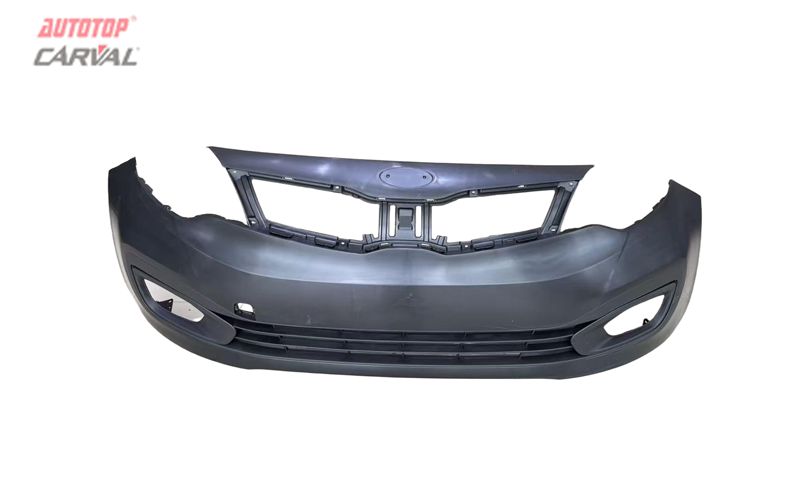
2021 KIA Picanto Grille

Table of Contents


Article Outline

  • Definition and structural role of automotive grilles
  • Performance, safety, and design contributions
  • Typical challenges faced by buyers and OEMs
  • Material and production considerations
  • Selection guidance for different vehicle types
  • Market trends and technological evolution

What Are Automotive Grilles?

Automotive grilles are structural components installed at the front of a vehicle, positioned between the bumper and the hood. Their primary purpose is to regulate airflow into the engine compartment while simultaneously protecting internal components such as radiators and intercoolers from debris.

Modern automotive grilles also serve as a visual signature for vehicle brands. Shape, pattern, and surface treatment are often used to communicate strength, luxury, sportiness, or innovation, making grilles a key element in exterior design strategy.


Key Functions of Automotive Grilles

  • Airflow Management: Ensures sufficient air reaches cooling systems to maintain optimal engine temperature.
  • Component Protection: Shields radiators and sensors from stones, insects, and road debris.
  • Aerodynamic Contribution: Helps reduce turbulence and drag when designed correctly.
  • Brand Differentiation: Acts as a recognizable visual element for vehicle identity.
  • Integration Support: Houses cameras, radar sensors, and active airflow shutters in modern vehicles.

Common Customer Pain Points

Customers and manufacturers often face several challenges when sourcing automotive grilles:

  • Inconsistent airflow leading to overheating concerns
  • Material degradation caused by UV exposure or corrosion
  • Poor fitment affecting assembly efficiency
  • Limited customization options for different vehicle models
  • Balancing aesthetic appeal with functional performance

Addressing these issues requires a grille solution that combines engineering precision, material reliability, and design flexibility.


Materials and Manufacturing Options

Automotive grilles are produced using different materials depending on performance and cost requirements:

  • ABS Plastic: Lightweight, cost-effective, and suitable for complex designs.
  • Polypropylene (PP): High impact resistance and good chemical stability.
  • Metal Alloys: Enhanced durability and premium appearance for specific models.

Advanced manufacturing methods such as injection molding and surface coating treatments improve dimensional accuracy and long-term durability.


How to Choose the Right Automotive Grille

Selecting the right automotive grille depends on several critical factors:

  • Vehicle type and engine cooling requirements
  • Environmental exposure conditions
  • Design compatibility with brand styling
  • Integration needs for sensors or active systems
  • Production volume and cost targets

Working with an experienced manufacturer such as :contentReference allows buyers to customize grille solutions while maintaining consistent quality and performance standards.


Grille Types Comparison Table

Grille Type Primary Advantage Typical Application
Open Mesh Grille Maximum airflow High-performance vehicles
Closed Grille Improved aerodynamics Electric and hybrid vehicles
Active Grille Shutter Adaptive airflow control Fuel-efficient passenger cars

Future Trends in Automotive Grilles

As vehicle technology evolves, automotive grilles are becoming more intelligent and integrated. Electrification, autonomous driving, and stricter efficiency requirements are driving demand for closed or adaptive grille systems. Lightweight materials and modular designs are also gaining popularity to support flexible vehicle platforms.


Frequently Asked Questions

Q1: Do automotive grilles affect fuel efficiency?
Yes. Properly designed grilles can reduce aerodynamic drag and improve airflow efficiency, contributing to better fuel economy.

Q2: Are automotive grilles customizable for different models?
Automotive grilles can be fully customized in terms of size, pattern, material, and surface finish to match specific vehicle requirements.

Q3: How long do automotive grilles typically last?
With high-quality materials and proper manufacturing, automotive grilles can maintain performance and appearance throughout the vehicle’s service life.


Changzhou Jiahong Auto Parts Factory play a critical role in vehicle performance, protection, and visual identity. Choosing a reliable manufacturing partner ensures consistent quality, functional reliability, and design flexibility. For tailored automotive grille solutions that align with modern vehicle demands, contact us today and explore how professional support can enhance your next project.

Related News
Leave me a message
X
We use cookies to offer you a better browsing experience, analyze site traffic and personalize content. By using this site, you agree to our use of cookies. Privacy Policy
Reject Accept