Whatsapp
Driving at night becomes stressful when you struggle to see road markings, pedestrians or roadside hazards. Poor night vision linked to your headlights is one of the most common safety concerns for vehicle owners. Many drivers assume they need to buy brand-new headlight assemblies immediately, but most car headlight problems can be diagnosed and fixed without large replacement costs.
The first step is to identify what is causing weak lighting. Cloudy, yellowed headlight lenses are the top culprit. Modern headlight covers use polycarbonate plastic. UV rays, road grime, salt and pollutants slowly wear away the protective top coat. The surface turns foggy, scattering light before it reaches the road. Even if your bulb works fine, the hazy lens cuts down light output significantly.
Aging bulbs are another frequent source of poor night vision. Halogen bulbs gradually lose brightness over thousands of driving hours. Their light shifts to a dull yellow tone, reducing visibility on dark wet roads. If one headlight feels dimmer than the other, bulb wear is often the simple cause. Before ordering expensive parts, inspect both bulbs and check for burnt spots or discoloration.
Misaligned headlights are easy to overlook but have a big impact. Even a small knock from a curb or minor fender bump can shift beam direction. Lights may shine too high and blind oncoming traffic, or point too low so illumination falls only a short distance ahead. Proper headlight alignment ensures light lands on the road surface where you need it most.
Electrical issues can also weaken your headlights. Corroded connectors, loose ground wires or aging relays create voltage drops. Your bulb may receive less power than designed, leading to dim output even with new bulbs. Check wiring harnesses and connectors for rust or loose terminals if headlights flicker or stay dim after lens cleaning and bulb replacement.
Once you locate the issue, choose the right repair. For oxidized lenses, headlight restoration kits work well for many vehicles. Sanding, polishing and reapplying UV sealant clears cloudiness and brings back light transmission. This method costs far less than full assembly replacement.
If bulbs are worn out, swap them with compatible replacement bulbs that match your vehicle specifications. Always follow local road regulations for bulb brightness and type. For misaligned beams, use simple adjustment screws on the headlight housing or ask a repair shop for calibration.
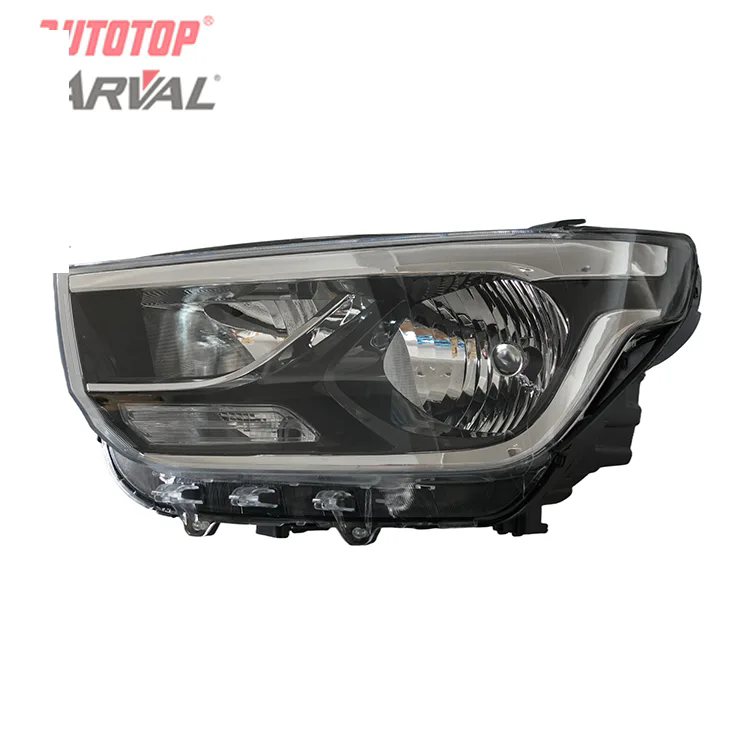
When should you replace the whole assembly? Only when lenses have deep cracks, internal water leaks or broken reflectors that cannot be repaired. Many car owners rush into full replacement, while simple fixes can restore night vision safely and affordably.
Regular maintenance prevents headlight issues from returning. Wash lenses routinely to remove bug residue and road grit. Inspect bulbs and connectors every few months. After restoring lenses, reapply UV protective coating to slow future oxidation. Taking these small steps keeps your headlights performing well and keeps night driving safer.
Don’t let poor night vision create unnecessary risk on evening drives. By checking lenses, bulbs, alignment and wiring, you can solve your car headlight problems today and restore clear illumination for every nighttime trip.

Master
AUTOTOP