News

How Do Automotive Taillight Assemblies Enhance Vehicle Safety and Design?

2026-03-02 0 Leave me a message

Article Summary

Automotive taillight assemblies are critical safety components that directly influence vehicle visibility, regulatory compliance, and exterior aesthetics. This comprehensive guide explains how automotive taillight assemblies function, what factors affect their performance and durability, and how manufacturers and buyers can select the right solutions for different vehicle applications. By addressing common customer pain points such as inconsistent lighting, water ingress, short service life, and design limitations, this article provides practical insights into improving both safety and product value. It also highlights how Jiahong supports reliable and scalable automotive taillight assembly solutions.

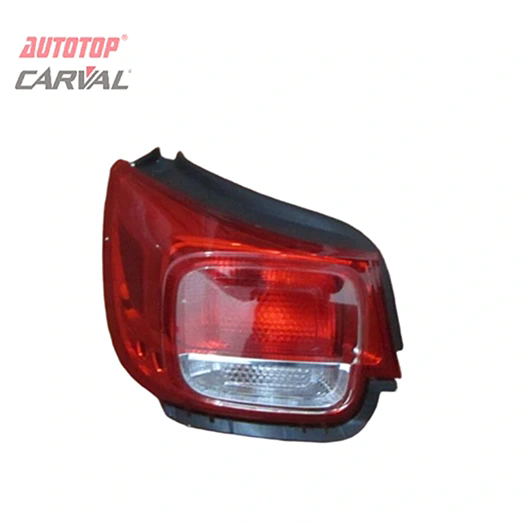
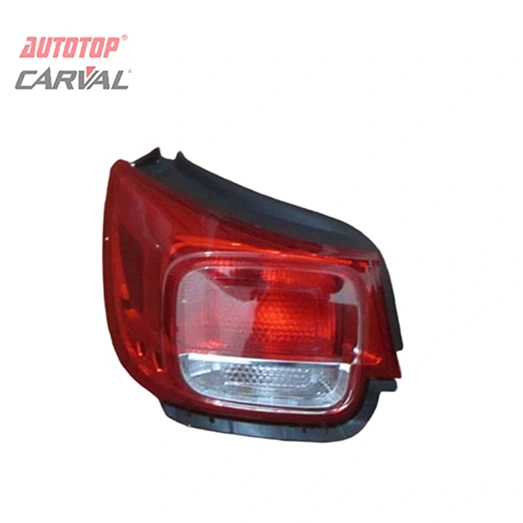
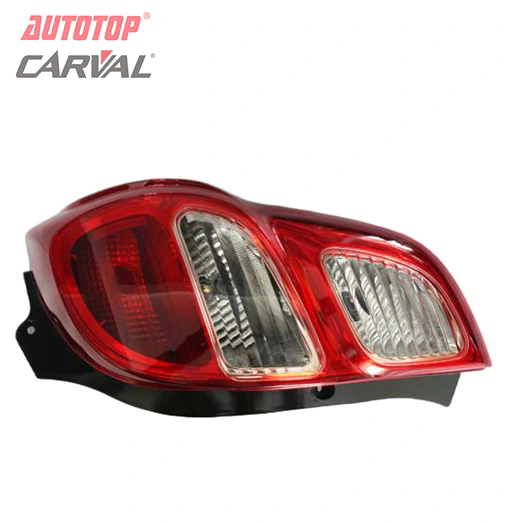
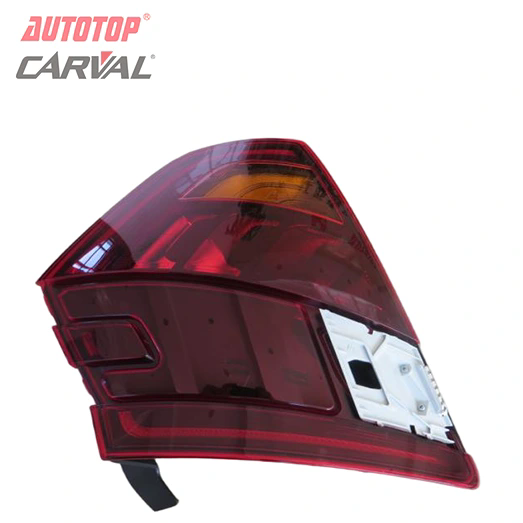
Tail Lamp Outer for CHEVROLET MALIBU 2012

Table of Contents


Automotive Taillight Assemblies Overview

Automotive taillight assemblies are integrated lighting systems installed at the rear of a vehicle to communicate critical information to other road users. They typically include tail lights, brake lights, turn signals, and reverse lights within a unified housing. These assemblies must operate reliably under diverse environmental conditions, including vibration, temperature fluctuations, moisture exposure, and long-term UV radiation.

Modern automotive taillight assemblies are no longer simple illumination devices. They are engineered systems that combine optics, electronics, materials science, and industrial design. Manufacturers such as Jiahong focus on balancing safety performance, durability, and visual identity to meet the evolving demands of global automotive markets.


Key Customer Pain Points

Customers sourcing or specifying automotive taillight assemblies often encounter recurring challenges that affect product quality and lifecycle cost.

  • Uneven light distribution reducing visibility
  • Condensation or water ingress inside the housing
  • Premature LED failure or color degradation
  • Housing deformation due to heat or UV exposure
  • Complex installation and poor vehicle fitment
  • Difficulty meeting regional regulatory standards

Addressing these pain points requires careful attention to design, materials, sealing methods, and manufacturing consistency throughout the production process.


Core Components and Structure

A typical automotive taillight assembly consists of several interdependent components, each contributing to overall performance.

  • Lens – Controls light diffusion and color output
  • Housing – Provides structural support and environmental protection
  • Light Source – LED modules or bulbs responsible for illumination
  • Reflector and Optics – Enhance brightness and directional visibility
  • Sealing Elements – Prevent moisture and dust intrusion
  • Electrical Connectors – Ensure stable power supply and signal transmission

Each component must be precisely engineered to work as a unified system rather than as isolated parts.


Functional Roles in Vehicle Safety

Automotive taillight assemblies serve multiple safety-related functions that are essential for road communication.

  • Indicating vehicle presence in low-light conditions
  • Signaling braking actions to following drivers
  • Communicating directional changes
  • Providing visibility during reversing maneuvers

Clear, timely, and consistent light signals significantly reduce the risk of rear-end collisions and improve overall traffic safety.


Materials and Manufacturing Considerations

Material selection plays a decisive role in the durability and appearance of automotive taillight assemblies. Lenses are commonly produced from polycarbonate or acrylic materials, chosen for their impact resistance and optical clarity. Housings typically use reinforced plastics that can withstand mechanical stress and thermal cycling.

Manufacturing processes such as injection molding, ultrasonic welding, and automated assembly lines ensure dimensional accuracy and sealing integrity. Jiahong emphasizes stable production processes to deliver consistent quality across high-volume orders.


How to Choose the Right Taillight Assembly

Selecting suitable automotive taillight assemblies requires a structured evaluation based on both technical and commercial criteria.

  • Vehicle model compatibility and mounting interface
  • Lighting performance and optical efficiency
  • Environmental resistance and sealing level
  • Service life and maintenance requirements
  • Compliance with applicable regulations
  • Supplier engineering support and customization capability

Early collaboration with experienced manufacturers helps reduce development cycles and minimize costly design revisions.


Taillight Assembly Comparison Table

Assembly Type Light Source Key Advantages Typical Applications
Traditional Bulb Halogen Low initial cost Entry-level vehicles
LED Taillight LED Module Long lifespan, fast response Passenger cars, SUVs
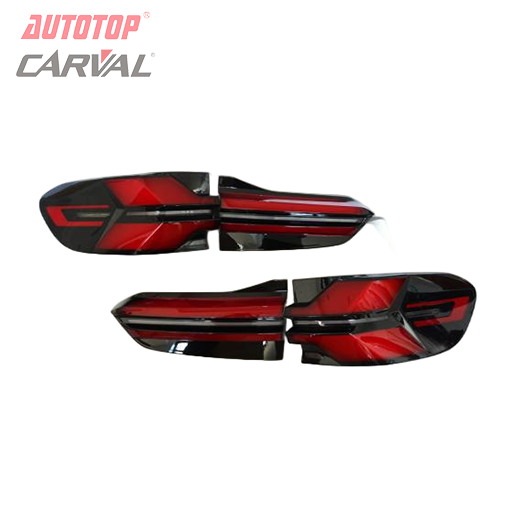
Full LED Assembly Integrated LED System High design flexibility Premium and electric vehicles

Quality Control and Reliability

Quality assurance is essential for automotive taillight assemblies, as failures directly impact vehicle safety. Key quality control measures include optical performance testing, vibration resistance testing, thermal aging, water spray testing, and electrical reliability checks.

Jiahong applies systematic inspection and validation procedures to ensure each taillight assembly meets performance expectations before delivery, supporting stable supply for OEM and aftermarket customers.


Application Scenarios

Automotive taillight assemblies are used across a wide range of vehicle categories.

  • Passenger vehicles
  • Commercial trucks and vans
  • Electric and hybrid vehicles
  • Off-road and utility vehicles
  • Aftermarket replacement solutions

Each application scenario may impose unique requirements on brightness, durability, and design integration.


Frequently Asked Questions

What affects the lifespan of automotive taillight assemblies?
Lifespan is influenced by light source quality, thermal management, sealing effectiveness, and operating conditions.

Are LED taillight assemblies more reliable?
LED systems generally offer longer service life and faster response times when properly designed and manufactured.

How can condensation inside taillights be prevented?
Effective sealing, pressure balance design, and controlled assembly processes are critical.

Can taillight assemblies be customized?
Yes. Customization can include lens design, lighting patterns, and functional integration depending on project needs.


Conclusion and Contact Us

Automotive taillight assemblies are vital components that combine safety, functionality, and visual identity. By understanding their structure, materials, and performance requirements, manufacturers and buyers can make informed decisions that enhance vehicle reliability and user safety. Selecting a dependable supplier is key to long-term success.

Jiahong is dedicated to delivering high-quality automotive taillight assemblies backed by technical expertise and consistent manufacturing standards. If you are seeking reliable solutions or professional support for your automotive lighting projects, contact us today to explore how Jiahong can meet your specific requirements.

Related News
Leave me a message
X
We use cookies to offer you a better browsing experience, analyze site traffic and personalize content. By using this site, you agree to our use of cookies. Privacy Policy
Reject Accept