Whatsapp
Article Summary
An automobile rear bumper assembly is more than an exterior styling component. It plays a critical role in impact absorption, vehicle safety, regulatory compliance, and brand perception. Selecting the right rear bumper assembly requires a clear understanding of materials, structural design, compatibility, durability, and manufacturing standards. This in-depth guide explains how to evaluate automobile rear bumper assemblies from a practical, performance-oriented perspective, helping buyers, distributors, and manufacturers address common pain points and make confident sourcing decisions.
Table of Contents
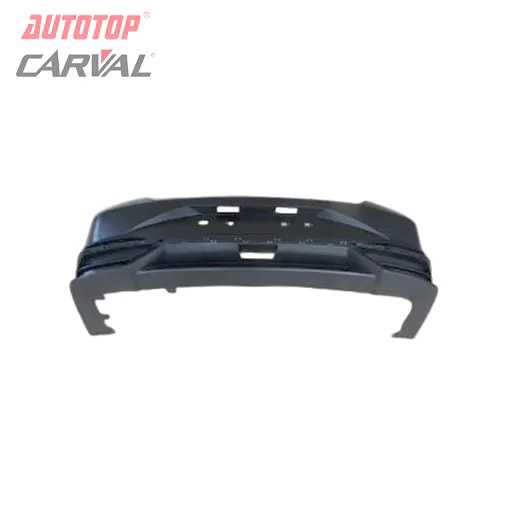
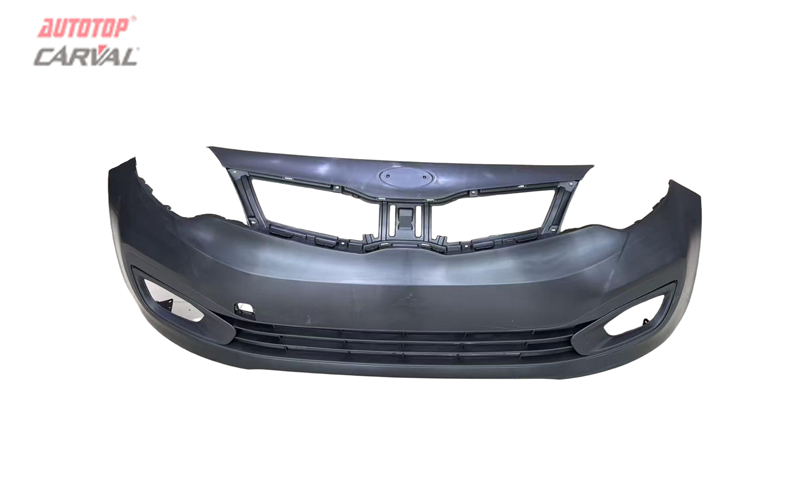
An automobile rear bumper assembly is a complete system installed at the rear end of a vehicle, designed to absorb low-speed impacts, protect critical vehicle components, and reduce repair costs after collisions. Unlike a single bumper cover, the assembly integrates multiple structural and functional elements working together to meet safety, durability, and aesthetic requirements.
In modern vehicles, rear bumper assemblies are engineered to balance lightweight construction with high energy absorption. They must align precisely with vehicle frames while accommodating sensors, lighting systems, and styling contours.
Rear bumper assemblies directly influence vehicle safety, insurance costs, and customer satisfaction. Poor-quality assemblies may crack, deform, or fail prematurely, leading to higher maintenance expenses and reduced vehicle value.
From a buyer’s perspective, common challenges include inconsistent fitment, weak impact resistance, and surface defects. For manufacturers and distributors, maintaining consistent quality while controlling cost is a persistent concern. A well-designed automobile rear bumper assembly addresses these issues through optimized structure, material selection, and precision manufacturing.
A complete automobile rear bumper assembly typically includes the following elements:
Each component must be engineered to work as part of a unified system rather than as an isolated part.
Material selection significantly affects the durability, weight, and cost of an automobile rear bumper assembly. The table below compares common materials used in production.
| Material | Key Advantages | Typical Applications |
|---|---|---|
| PP Plastic | Lightweight, impact-resistant, cost-effective | Passenger vehicles, sedans |
| ABS Plastic | Good surface finish, dimensional stability | Mid-range vehicles |
| Steel Reinforcement | High strength, reliable energy absorption | SUVs, commercial vehicles |
| Aluminum Alloy | Lightweight with strong structural performance | Premium and electric vehicles |
Selecting an automobile rear bumper assembly requires a structured evaluation process. The following checklist helps address the most common buyer concerns:
A reliable rear bumper assembly should integrate seamlessly into the vehicle structure without requiring excessive adjustments during installation.
Manufacturing quality directly determines the lifespan and performance of an automobile rear bumper assembly. Precision tooling, controlled material sourcing, and dimensional accuracy are essential factors. Advanced injection molding and metal forming processes help ensure uniform wall thickness and structural integrity.
Equally important is quality inspection throughout production. Visual checks, impact testing, and fitment verification help reduce failure rates and ensure consistent performance in real-world driving conditions.
Automobile rear bumper assemblies are used across a wide range of vehicle categories, including:
Each application demands specific engineering adjustments while maintaining core safety functions.
What is the main function of an automobile rear bumper assembly?
Its primary function is to absorb impact energy during low-speed collisions, protecting the vehicle structure and reducing repair costs.
How long does a rear bumper assembly typically last?
With proper materials and manufacturing quality, a rear bumper assembly can last for the vehicle’s entire service life under normal driving conditions.
Can rear bumper assemblies be customized?
Yes. Customization options include material selection, sensor openings, surface texture, and structural reinforcement to meet specific vehicle requirements.
Choosing the right automobile rear bumper assembly is a strategic decision that affects safety, cost control, and long-term performance. By focusing on structure, materials, and manufacturing consistency, buyers can minimize risks and maximize value. AUTOTOP provides professionally engineered automobile rear bumper assemblies designed for durability, precision fitment, and reliable performance. For tailored solutions and detailed product support, contact us today to discuss your specific requirements.