News

Cracked Front Bumper: Repair Options Instead of Full Replacement

2026-10-31 0 Leave me a message


A crack in a front bumper cover looks serious and often is not. Whether it can be repaired comes down to four questions: where the crack sits, how long it is, what plastic the cover is made from, and what is mounted behind it. Answer those and the repair-or-replace decision usually makes itself.

This guide covers general practice for passenger cars. Repairs involving crash structure or driver-assistance sensors should follow the vehicle manufacturer's service information and be carried out by a qualified repairer — the notes below are general information, not instructions for a specific vehicle.

First, which layer is damaged

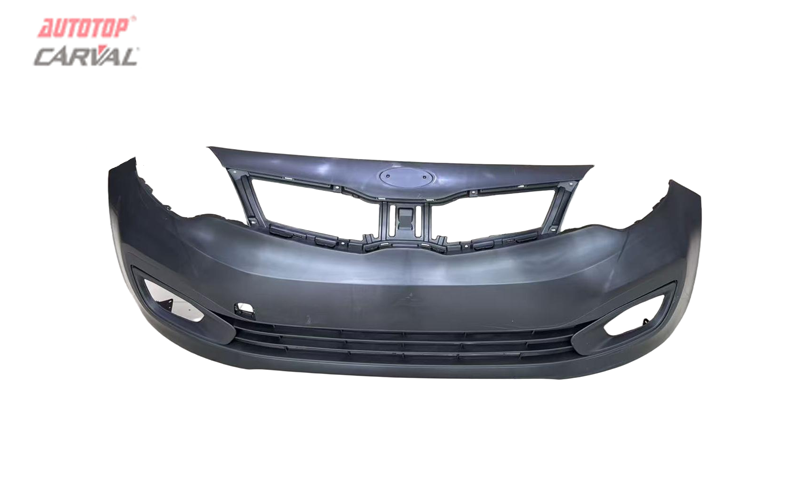
"Bumper" usually means one of four layers: the painted plastic cover; the foam or plastic absorber behind it; the steel or aluminium reinforcement bar bolted to the frame rails; and the brackets and sensor holders that keep everything located. Repair talk almost always concerns the cover alone. The cover shapes airflow and appearance; the bar carries crash loads. If the bar is bent or its mounting plates are torn, that is structural work however small the visible crack looks.

Identify the plastic first

Find the recycling symbol moulded into the back of the cover, usually near a part number or date stamp:

· PP + EPDM / TPO — most modern covers. Weldable, but this family resists adhesion, so most fillers, adhesives and paints need an adhesion promoter, often with flame or plasma treatment, or they let go later.

· ABS — accepts two-part fillers and adhesives readily.

· PC / PBT or PC / ABS blends — used on some brackets and trims. Ask what the part is before choosing a method.

Three situations, three answers

Hairline or short cracks away from the edges. This is plastic welding territory: stop-drill both ends so the crack stops travelling, cut a shallow V-groove from the front, weld from the back with a filler rod matched to the base plastic, then finish the groove on the face. The deciding detail is rod matching. A rod that looks right but is not will hold for a few weeks, then reopen on the first hot day.

Punctures, tears and missing chunks. There is nothing to fuse, so the repair is mechanical: backing mesh plus a two-part urethane or epoxy. Preparation does most of the work — scuff, degrease with a plastic-safe cleaner, apply adhesion promoter, then build in thin layers. Skip the promoter on PP and the patch tends to peel at the first pressure wash. Mesh adds thickness, so check what sits behind the panel before starting.

Broken mounting tabs, clip slots or screw bosses. These carry load, which makes them the risky category. An isolated tab can often be rebuilt by welding plus a fabricated backing plate to spread stress. A tab that locates the headlamp, grille or fender liner is different — those parts have alignment tolerances, and a tab even slightly out of position cracks again or leaves a panel gap that cannot be adjusted out. Repeated tab failure usually points to misalignment upstream rather than a defective part.

Do not overlook the paint

Plastic flexes; paint does not. Exterior plastic refinishing uses an adhesion-promoting primer and a flex additive, sometimes called an elasticizer. Leave either out and the repair can look fine on collection day, then spider-crack through the winter. Worth raising explicitly with whoever sprays the part.

The ADAS factor

From roughly the mid-2010s onward, the cover is also a mounting platform: ultrasonic park sensors bonded into it, blind-spot radar behind the corners, front cameras, and adaptive cruise radar behind an emblem or lower grille opening.

Three consequences follow. If the cover is removed, disturbed or repainted where a radar window sits, sensor aiming needs checking, and calibration needs the proper targets and diagnostic equipment. Paint film thickness and metallic content over a radar-transparent panel change how the signal behaves, so those areas get specific treatment instead of a heavy build-up. Park sensor holders must return to their original angle, or the system reads the ground or nothing at all.

If the vehicle is still under warranty, or insurance is covering the damage, speak to the dealer or insurer before any work starts.

When replacement is the better call

· The crack runs full height or reaches a structural edge.

· Tearing around a mounting point or headlamp opening.

· The absorber or reinforcement bar is deformed.

· Clear coat lifting over a wide area, or old filler already built up.

· Leased vehicle, or the insurer specifies a new part.

· Multiple cracks, or one beyond roughly 30 cm — beyond that, welding and finishing often takes longer than fitting a new cover.

For fleets and daily-driven cars, downtime counts too. A ready-to-paint replacement cover frequently returns the vehicle to service sooner than a multi-day rebuild, especially when several tabs are involved.


Repair

Replace

Typical scope

Isolated crack, no missing material

Long or edge cracks, torn tabs, bar damage

Material sensitivity

Needs matched rod and adhesion prep

Supplied moulded to shape

Paint required

Usually yes

Usually yes

Downtime

Varies with severity

Predictable once the part arrives

Fitment risk

Depends on shop skill

Depends on correct part selection

Getting the replacement part right

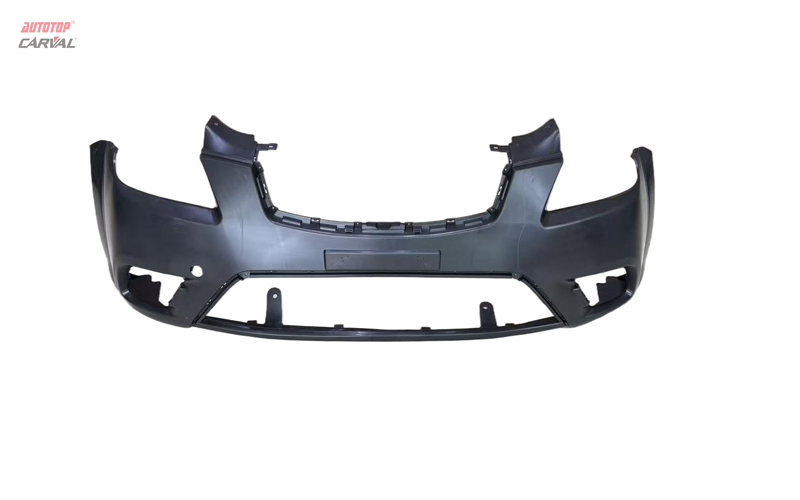
Two mistakes account for most wrong orders. One is choosing the wrong trim variant — covers differ between versions by sensor holes, washer openings, tow-hook cover and sport-package shape. The other is confusing a bare cover with a complete assembly that includes absorber, brackets and sensor holders.

Match by OE number, or pass the VIN to the supplier and let them confirm fitment. Then choose primed or pre-painted, and check whether sensor holders transfer across. Some suppliers ship covers already in primer, which shortens the paint step.

FAQ

Can a cracked plastic bumper cover be welded? Yes. Polypropylene and TPO covers are routinely welded. The result depends on a filler rod matched to the base plastic and on reinforcing the repair from the back side.

How long does a welded repair last? There is no single answer. It depends on crack location, how much load that area sees, whether tabs are involved and how well the surface was prepared. A properly prepared repair can serve for years; a rushed one tends to reopen.

Is it safe to drive with a cracked front bumper? A cracked cover is usually cosmetic and aerodynamic rather than an immediate hazard, provided the bumper is still firmly attached and no sensor or lamp is hanging loose. Damaged reinforcement, loose mountings or a dashboard warning light are reasons to have it checked promptly.

Does insurance cover bumper crack repair? It depends on the policy and on whether the damage resulted from a covered event. Many policies treat cosmetic damage differently from collision damage, so ask before authorising work.

Can I fix it myself with a repair kit? Small cosmetic cracks can be addressed with consumer kits, though rod and filler matching, surface preparation and repainting are what decide the outcome. Anything involving sensors, structure or mounting tabs is better left to a shop.


Related News
Leave me a message
google-site-verification: googled66ebb995ed89342.html
 
X
We use cookies to offer you a better browsing experience, analyze site traffic and personalize content. By using this site, you agree to our use of cookies. Privacy Policy
RejectAccept