News

The Automotive Grille: Where Design Identity Meets Engineering Precision

2026-01-26 0 Leave me a message

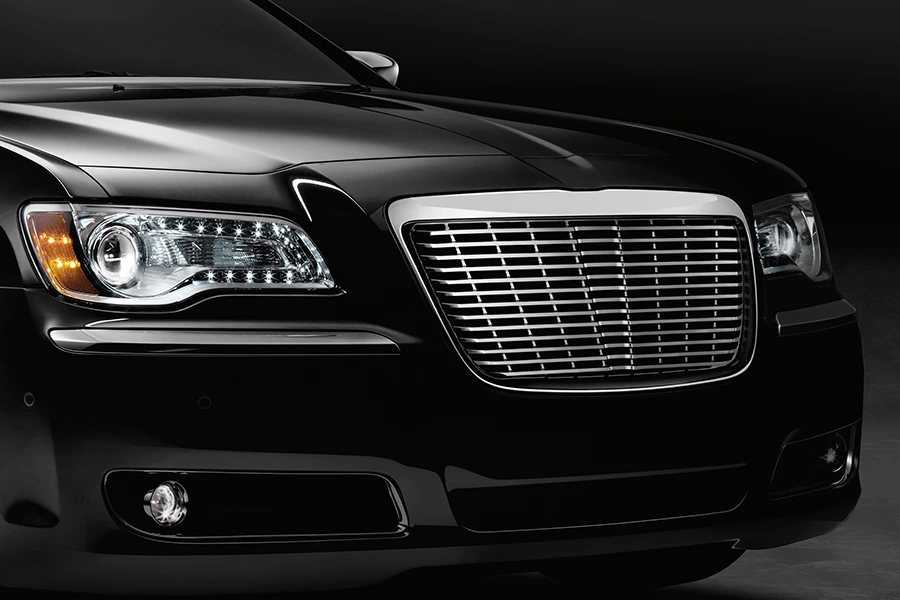
At the front of every automobile lies a component that blends form and function in perfect harmony—the automotive grille. More than just a decorative element, the grille is a critical part of a vehicle’s engineering system and a powerful symbol of brand identity. From the sleek, integrated grilles of modern electric vehicles to the bold, iconic designs of classic cars, this component has evolved dramatically over a century, adapting to technological advancements, safety standards, and shifting aesthetic preferences. 

As a bridge between automotive engineering and design, the grille remains an indispensable feature that defines a vehicle’s character while optimizing its performance.

Core Engineering Functions: Beyond Aesthetics

The primary purpose of the automotive grille is rooted in engineering necessity: facilitating airflow to the vehicle’s engine bay. Internal components such as the radiator, intercooler, battery packs (in electric vehicles), and air conditioning condenser generate significant heat during operation, and the grille acts as a gateway for cool external air to circulate and dissipate this heat. Without adequate airflow, engines risk overheating, which can lead to reduced efficiency, mechanical failure, and even safety hazards. The size, shape, and pattern of the grille are carefully calibrated to match the vehicle’s cooling requirements—larger grilles are often found on high-performance cars and heavy-duty trucks that generate more heat, while smaller, more streamlined grilles suit vehicles with lower cooling demands.Modern grilles have evolved to incorporate advanced technologies that enhance both performance and efficiency. Active grille shutters, a feature now common in many vehicles, automatically open or close based on driving conditions. In cold weather or at low speeds, the shutters close to retain engine heat and reduce aerodynamic drag, improving fuel economy. At high speeds or when the engine is running hot, they open to maximize airflow. For electric vehicles (EVs), which have smaller cooling needs compared to internal combustion engine (ICE) vehicles, grilles are often minimized or integrated into the front fascia, creating a smooth, aerodynamic surface that reduces drag and extends battery range. Some EVs even feature “false grilles” that maintain brand design language without compromising aerodynamic efficiency.

Design Evolution: From Function to Iconography

The history of the automotive grille is intertwined with the evolution of automobile design itself. In the early 20th century, when cars were powered by large, heat-intensive engines, grilles were functional, utilitarian structures—often made of chrome-plated steel or brass—to maximize airflow. These early designs were simple and boxy, prioritizing function over form. As automobiles became more accessible and design emerged as a key selling point, grilles began to take on more distinctive shapes, becoming a way for automakers to differentiate their models.The mid-20th century marked a golden age of grille design, with automakers experimenting with bold, eye-catching styles. Chrome became a dominant material, adding a sense of luxury and durability. During this era, iconic grille designs were born, many of which remain recognizable today. For example, Rolls-Royce’s vertical slat grille, introduced in the 1920s, has become a symbol of unparalleled luxury and elegance, with its polished metal finish and imposing presence. BMW’s dual-kidney grille, first seen on the 1933 BMW 303, has evolved over decades but retained its core shape, signifying the brand’s sporty heritage and engineering precision. Jeep’s seven-slot grille, originally designed for military vehicles in the 1940s, has become a marker of ruggedness and off-road capability, unchanged in its essential form to preserve brand continuity.In recent decades, design trends have shifted toward sleekness and integration. Modern grilles often blend seamlessly with the vehicle’s front fascia, headlights, and bumper, creating a cohesive, aerodynamic look. Materials have also evolved—aluminum, carbon fiber, and high-quality plastics have replaced heavy steel and chrome, reducing vehicle weight and improving fuel efficiency. While some brands embrace oversized, bold grilles (such as Audi’s Singleframe grille) to make a statement, others opt for subtle, hidden grilles that prioritize aerodynamics, especially in electric and hybrid models.The Grille as a Brand Identity SymbolPerhaps the most significant role of the automotive grille is its ability to communicate brand identity. For automakers, the grille is a “face” of the vehicle, a visual cue that instantly connects consumers to the brand’s values and heritage. A well-designed grille becomes a signature element, fostering brand recognition and loyalty. For example, Mercedes-Benz’s three-pointed star is integrated into its grille, linking the component to the brand’s legacy of innovation and luxury. Lexus’s spindle grille, introduced in 2012, revolutionized the brand’s design language, conveying boldness and modernity. Even niche brands use grilles to stand out—Bugatti’s horseshoe grille, for instance, is a distinctive feature that reflects the brand’s exclusivity and high-performance pedigree.The grille also adapts to reflect a brand’s evolution. As automakers shift toward electrification, many are reimagining their iconic grilles to suit EVs while preserving brand recognition. BMW, for example, has updated its dual-kidney grille for electric models like the iX, making it larger and integrating illuminated elements to signal innovation without abandoning its heritage. This balance between tradition and modernity is crucial, as it allows brands to retain existing customers while appealing to new, eco-conscious consumers.

Materials and Manufacturing: Durability Meets Innovation

The materials used in grille manufacturing have evolved to meet the demands of performance, durability, and aesthetics. Early grilles were crafted from heavy metals like steel and brass, which were durable but added weight to the vehicle. Chrome plating became popular in the mid-20th century for its shiny finish and corrosion resistance, though it has since fallen out of favor due to environmental concerns and changing design trends.Today, most grilles are made from lightweight materials such as aluminum, thermoplastics (like ABS), and carbon fiber. Aluminum offers a balance of strength and lightness, while thermoplastics are cost-effective, easy to mold into complex shapes, and resistant to impact and weathering. Carbon fiber, used primarily in high-performance and luxury vehicles, provides exceptional strength and a premium, sporty appearance. Manufacturing techniques have also advanced—injection molding, 3D printing, and laser cutting allow for precise, customizable grille designs, enabling automakers to create intricate patterns and shapes that were once impossible.

Future Trends: Smart Grilles and Electrification

As the automotive industry shifts toward electrification, autonomy, and connectivity, the grille is poised to evolve into a more sophisticated, multi-functional component. Smart grilles, integrated with sensors, cameras, and radar systems, will play a key role in autonomous driving. These grilles may hide or protect LiDAR sensors and cameras, ensuring they remain unobstructed while maintaining the vehicle’s design integrity. Illuminated grilles, already seen in some luxury models, will become more common, with customizable lighting patterns that allow drivers to personalize their vehicles and improve visibility.For electric vehicles, the grille’s role will continue to shift from cooling to design and technology integration. We may see grilles that double as solar panels, harvesting energy to extend battery range, or interactive grilles that respond to driver input—such as changing color to indicate charging status. As sustainability becomes a top priority, manufacturers will also explore eco-friendly materials for grille production, further aligning the component with the industry’s green goals.ConclusionThe automotive grille is a testament to the fusion of engineering and design in the automotive industry. What began as a simple functional component has evolved into an iconic symbol of brand identity, a showcase for technological innovation, and a critical part of vehicle performance. From the classic chrome grilles of the past to the sleek, smart grilles of the future, this component has adapted to meet the changing needs of drivers, automakers, and the environment. As cars become more electric, connected, and autonomous, the grille will continue to reinvent itself, proving that even the most seemingly basic parts can have a profound impact on the automotive landscape. In the end, the grille is more than just a part of the car—it is a reflection of the industry’s history, present, and future.

Related News
Leave me a message
X
We use cookies to offer you a better browsing experience, analyze site traffic and personalize content. By using this site, you agree to our use of cookies. Privacy Policy
Reject Accept