News

How Does an Automobile Rear Bumper Assembly Enhance Vehicle Safety and Performance?

2026-03-23 0 Leave me a message

Article Summary

The automobile rear bumper assembly is a crucial component for vehicle safety, performance, and aesthetics. This article explores its structure, functionality, types, and key considerations when selecting or replacing a bumper assembly. By providing technical insights, practical tips, it helps customers make informed decisions, reduce repair costs, and improve overall vehicle protection.

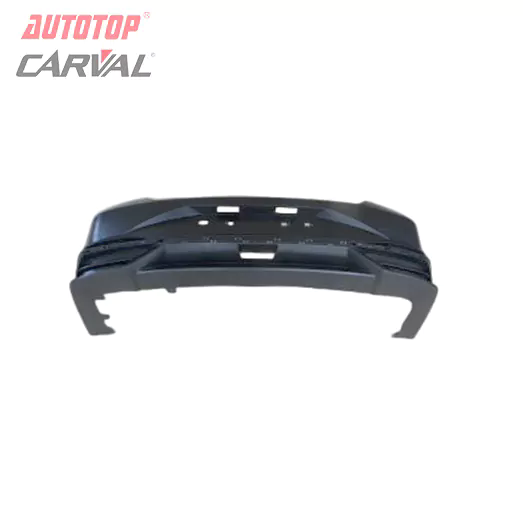
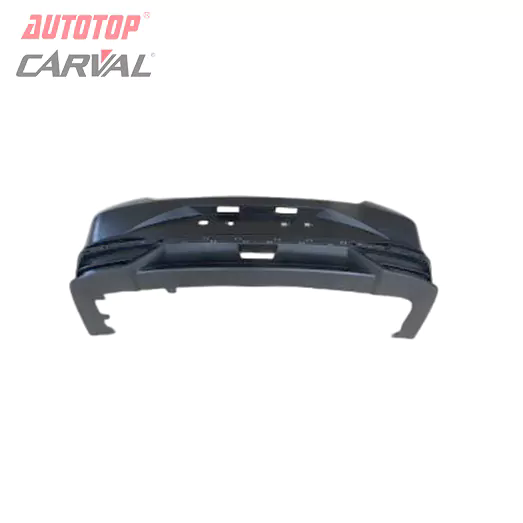
Rear Bumper for 2020 Hyundai Elantra

Table of Contents


1. What Is an Automobile Rear Bumper Assembly?

An automobile rear bumper assembly is a protective structure attached to the rear of a vehicle. It serves as a first line of defense in minor collisions, protecting critical vehicle components such as the trunk, rear lights, exhaust system, and frame. Modern bumper assemblies integrate impact-absorbing materials, aesthetic covers, and mounting brackets for additional safety and styling.

Besides protection, rear bumper assemblies contribute to vehicle aerodynamics, support parking sensors, and sometimes include integrated reflectors or lighting components.


2. How Does a Rear Bumper Assembly Work?

The rear bumper assembly absorbs and redistributes impact forces in collisions to minimize damage to the vehicle’s structure and occupants. It typically consists of a rigid bumper beam, energy-absorbing materials, and a plastic cover for aesthetics. Upon impact:

  • The bumper beam spreads the collision force across the structure.
  • The energy-absorbing foam or polymer deforms to reduce the force transmitted to the frame.
  • The exterior cover provides an additional layer of protection and contributes to the vehicle’s styling.

Advanced rear bumper assemblies may include parking assist sensors or crash detection systems, adding functionality beyond physical protection.


3. Key Components of a Rear Bumper Assembly

Component Description
Bumper Beam High-strength steel or aluminum structure that absorbs collision impact
Energy Absorber Foam or polymer that deforms to reduce force transmitted to the frame
Cover Plastic or composite panel that provides aesthetics and minor protection
Mounting Brackets Secure the bumper assembly to the chassis
Sensors & Reflectors Optional components for parking assistance and visibility

4. Types of Rear Bumper Assemblies

Rear bumper assemblies vary based on material, vehicle type, and functionality:

  • Plastic or Polyurethane Bumpers: Lightweight, cost-effective, commonly used in passenger vehicles
  • Aluminum or Steel Reinforced Bumpers: High-strength, suitable for trucks and SUVs
  • OEM Bumpers: Manufactured by the original vehicle maker, ensuring fit and performance
  • Aftermarket Bumpers: Custom or replacement options, often designed for enhanced aesthetics or off-road durability

Selecting the right type depends on vehicle use, safety requirements, and budget.


5. Benefits of a High-Quality Rear Bumper Assembly

  • Enhanced Safety: Protects occupants and vehicle components during rear collisions
  • Reduced Repair Costs: Absorbs impact, preventing damage to more expensive parts
  • Improved Vehicle Appearance: Maintains sleek styling and design integrity
  • Additional Features: Supports sensors, lights, and reflectors for parking and visibility

Investing in a quality rear bumper assembly from a reliable manufacturer like AUTOTOP ensures long-term performance and protection.


6. How to Choose the Right Rear Bumper Assembly

When selecting a rear bumper assembly, consider these key factors:

  • Material: Steel, aluminum, or reinforced plastic depending on impact resistance needed
  • Compatibility: Ensure exact match with vehicle make and model
  • Safety Standards: Confirm compliance with local crash regulations
  • Integrated Features: Sensors, reflectors, or lighting options
  • Brand Reputation: Choose trusted brands like AUTOTOP for durability and quality

7. Installation and Maintenance Tips

  • Follow manufacturer instructions for proper alignment and torque specifications
  • Check mounting brackets and fasteners regularly for corrosion or wear
  • Clean plastic covers with non-abrasive materials to prevent scratches
  • Inspect sensors or reflectors to ensure proper functionality

Routine maintenance ensures the bumper assembly remains effective in protecting the vehicle and its occupants.


8. Frequently Asked Questions

Q1: How long does a rear bumper assembly last?

A high-quality bumper assembly can last the lifetime of the vehicle, provided it is not damaged in collisions and is properly maintained.

Q2: Can I replace only the bumper cover?

Yes, in minor damage cases, the cover can be replaced separately; however, internal components like the bumper beam or energy absorber should be inspected for hidden damage.

Q3: Do aftermarket bumpers affect vehicle safety?

Not necessarily. Choose aftermarket options that meet safety standards and fit your vehicle precisely to maintain protective performance.

Q4: Are rear bumper assemblies compatible with parking sensors?

Yes. Many modern assemblies, including those from AUTOTOP, are designed to support integrated sensors for parking assistance.


9. Conclusion

The automobile rear bumper assembly plays a vital role in vehicle safety, performance, and appearance. Selecting a high-quality assembly ensures protection against collisions, reduces repair costs, and supports additional features like parking sensors and reflectors.

AUTOTOP provides premium rear bumper assemblies that meet rigorous safety standards and offer long-lasting durability. Enhance your vehicle’s safety and performance by choosing reliable products designed for your specific model.

For inquiries or to explore our complete range of rear bumper assemblies, contact us today to get professional guidance and personalized solutions.

Related News
Leave me a message
X
We use cookies to offer you a better browsing experience, analyze site traffic and personalize content. By using this site, you agree to our use of cookies. Privacy Policy
Reject Accept