News

The Evolution and Significance of Headlights in Automotive Safety

2026-01-26 0 Leave me a message

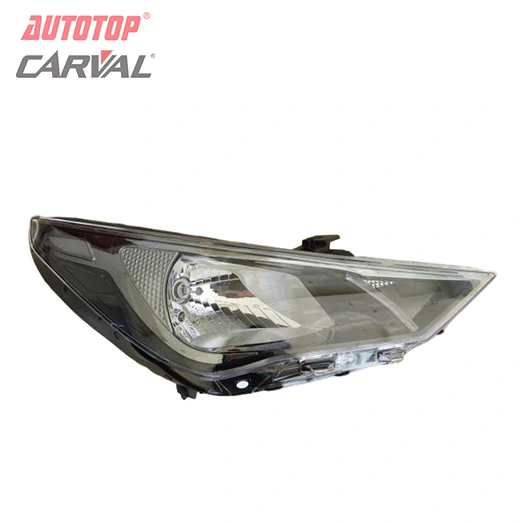
Since the invention of the automobile, headlights have evolved from a simple means of illuminating the road at night to a sophisticated component that plays a pivotal role in automotive safety and design. As one of the most essential lighting systems on a vehicle, headlights not only enhance visibility for drivers but also make vehicles more noticeable to pedestrians, cyclists, and other motorists—especially in low-light conditions, inclement weather, or during dawn and dusk.


The early days of automotive headlights were marked by simplicity and limitations. In the late 19th century, the first automobiles relied on oil lamps or gas lamps, similar to those used on horse-drawn carriages. These lamps produced a dim, flickering light that offered minimal visibility, making night driving a risky endeavor. By the early 20th century, electric headlights began to replace their combustion-based predecessors. The first electric headlights, introduced in 1912, were incandescent bulbs powered by the vehicle’s battery, providing a brighter and more consistent light source. However, they still had drawbacks: they consumed significant energy, generated heat, and their brightness diminished over time.


Over the decades, technological advancements transformed headlight design and performance. The mid-20th century saw the introduction of sealed-beam headlights, which integrated the bulb, reflector, and lens into a single unit. This design improved durability and reduced maintenance needs, as the entire assembly was replaced when the bulb burned out. In the 1980s, composite headlights emerged, allowing for more flexible styling and better light distribution. These headlights separated the bulb from the reflector and lens, enabling automakers to create sleeker, more aerodynamic designs while optimizing light output.


Today, modern vehicles are equipped with a range of advanced headlight technologies, each offering unique benefits. Halogen headlights, which became widespread in the 1970s, use a tungsten filament enclosed in a halogen gas-filled bulb. They are affordable, easy to replace, and provide a warm, yellowish light that is familiar to most drivers. However, they are less energy-efficient and have a shorter lifespan compared to newer technologies.


Xenon HID (High-Intensity Discharge) headlights, introduced in the 1990s, represent a significant leap forward. These headlights use an electric arc between two electrodes in a xenon gas-filled bulb to produce a bright, white light that closely mimics natural daylight. HID headlights offer better visibility, longer range, and lower energy consumption than halogen bulbs. They also have a longer lifespan, making them a popular choice for luxury and high-performance vehicles. However, their higher cost and potential glare for oncoming drivers are notable drawbacks.


The latest innovation in headlight technology is LED (Light-Emitting Diode) headlights. LEDs are semiconductor devices that emit light when an electric current passes through them. They are highly energy-efficient, consuming up to 80% less power than halogen bulbs, and have an extremely long lifespan—often lasting the entire lifetime of the vehicle. LED headlights produce a crisp, white light that enhances contrast and reduces eye strain for drivers. Additionally, their compact size allows automakers to design intricate headlight shapes, adding to the vehicle’s aesthetic appeal. Many modern LED systems also feature adaptive technology, such as adaptive front-lighting systems (AFS), which adjust the direction and intensity of the light based on the vehicle’s speed, steering angle, and surrounding conditions. For example, when turning, AFS swivels the headlights to illuminate the curve, improving visibility around bends.


Beyond technological advancements, headlights are also subject to strict regulations to ensure safety and reduce glare. Governments and international organizations, such as the Society of Automotive Engineers (SAE) and the United Nations Economic Commission for Europe (UNECE), set standards for headlight brightness, beam pattern, and placement. These regulations aim to balance the need for adequate visibility for the driver with the protection of oncoming traffic from excessive glare, which can cause temporary blindness and increase the risk of accidents.


The importance of headlights in automotive safety cannot be overstated. According to the National Highway Traffic Safety Administration (NHTSA), a significant percentage of traffic accidents occur during low-light conditions, and proper headlight use can reduce the risk of these accidents. In addition to illuminating the road, headlights also signal the presence of a vehicle to others, which is crucial in poor weather conditions such as rain, fog, or snow. Some modern vehicles also feature daytime running lights (DRLs), which are low-intensity headlights that stay on during daylight ho

Related News
Leave me a message
X
We use cookies to offer you a better browsing experience, analyze site traffic and personalize content. By using this site, you agree to our use of cookies. Privacy Policy
Reject Accept