Whatsapp
Article Summary
Automotive light systems are essential components of modern vehicles. They improve visibility, enhance road safety, and ensure drivers can clearly communicate intentions with other road users. From headlights and tail lights to advanced LED lighting technology, automotive lighting continues to evolve with improved performance and efficiency. This article explains how automotive light systems work, explores different lighting types, provides key technical parameters, and helps buyers select reliable automotive lighting products for their vehicles or projects.
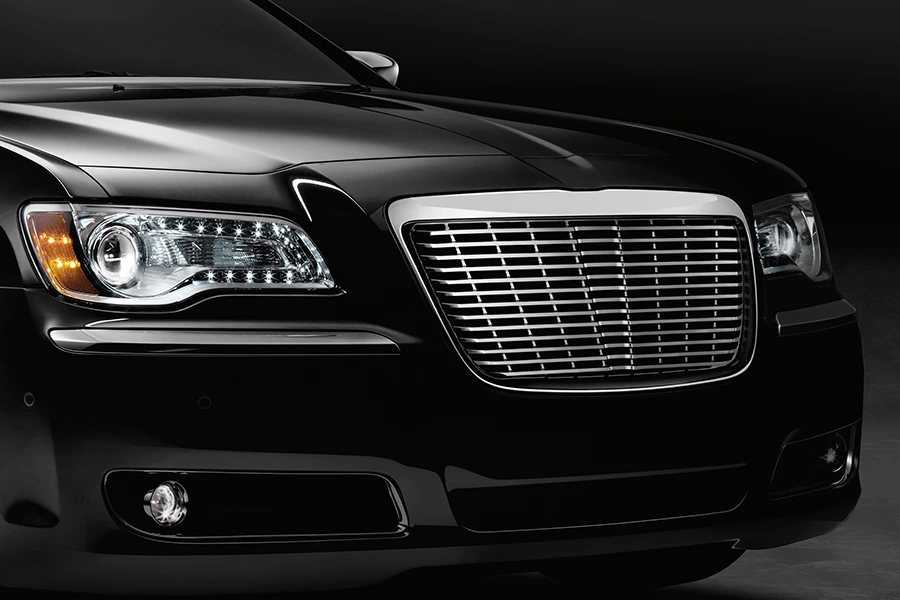
Automotive light systems are vital safety components designed to illuminate the road and improve vehicle visibility. Whether driving at night, in fog, rain, or tunnels, proper lighting ensures that drivers can see obstacles clearly while making their vehicles visible to others.
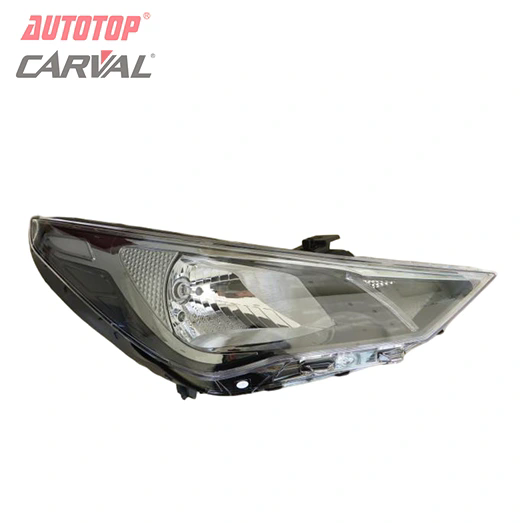
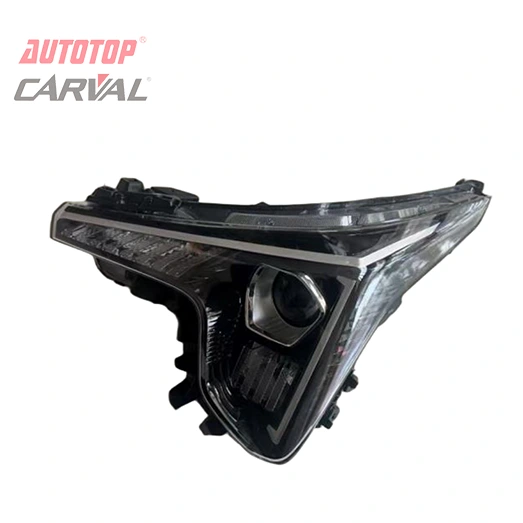
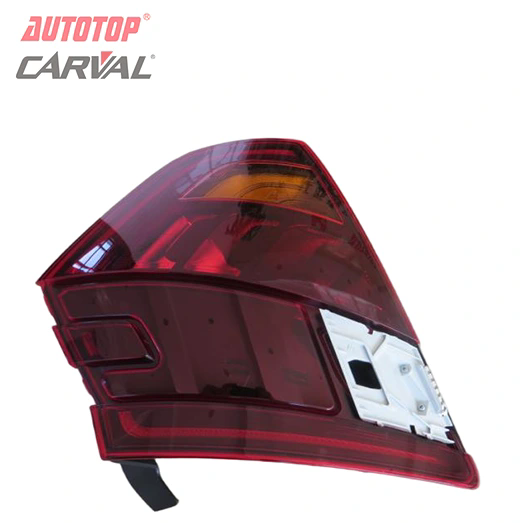
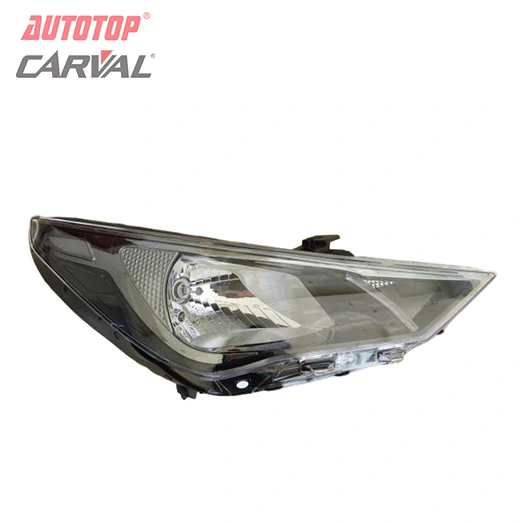
A complete automotive lighting system typically includes headlights, tail lights, brake lights, turn signals, fog lights, and daytime running lights. Each lighting component performs a specific function and contributes to overall driving safety.
With the rapid advancement of automotive technology, lighting systems have transitioned from traditional halogen bulbs to high-efficiency LED and adaptive lighting technologies. These modern solutions offer longer service life, lower power consumption, and improved brightness.
Automotive lighting systems operate by converting electrical energy from the vehicle’s battery into visible light. This process occurs through several core components:
When the driver activates the lighting system, electrical current flows through the lighting source. The reflector or lens then directs and focuses the light beam to illuminate the road effectively.
Modern vehicles often include advanced lighting technologies such as automatic headlight control, adaptive beam adjustment, and smart sensors that adjust brightness depending on driving conditions.
Vehicle lighting systems include multiple types of lights designed for specific purposes. Understanding these categories helps buyers choose the correct product.
Each type of automotive light contributes to a comprehensive vehicle safety system and must meet specific brightness and visibility standards.
| Parameter | Description |
| Light Source | Halogen, Xenon HID, or LED |
| Voltage | Typically 12V or 24V depending on vehicle type |
| Power Consumption | Ranges from 10W to 60W depending on light type |
| Luminous Flux | Measured in lumens indicating brightness level |
| Color Temperature | Usually between 3000K and 6500K |
| Lifespan | LED lights can exceed 30,000 hours |
| Protection Rating | IP65 or higher for waterproof performance |
These parameters help determine lighting efficiency, durability, and suitability for different vehicle environments.
LED technology has become the dominant lighting solution in modern vehicles due to its superior performance compared to traditional lighting systems.
These advantages make LED automotive lighting ideal for passenger vehicles, trucks, off-road vehicles, and commercial fleets.
Manufacturers such as Changzhou Jiahong Auto Parts Factory specialize in producing durable and efficient automotive lighting products designed to meet modern vehicle requirements.
When purchasing automotive lighting products, buyers often encounter several challenges.
Selecting high-quality automotive lighting solutions from experienced manufacturers helps reduce these risks and ensures long-term performance.
Choosing the correct automotive lighting system requires evaluating several technical and application factors.
For commercial vehicles and industrial equipment, durability and waterproof performance are especially important because these vehicles often operate in harsh environments.
Automotive lighting is widely used across various vehicle categories and transportation industries.
Each application requires specific lighting configurations to ensure optimal visibility and safety in different operating conditions.
Q1: What is the lifespan of LED automotive lights?
LED automotive lights typically last between 30,000 and 50,000 hours, which is significantly longer than traditional halogen bulbs.
Q2: Are LED automotive lights better than halogen lights?
Yes. LED lights provide higher brightness, consume less power, and have a longer service life compared to halogen lighting systems.
Q3: What factors affect automotive light performance?
Performance is influenced by light source quality, optical design, electrical stability, and environmental protection features such as waterproof sealing.
Automotive light systems play a critical role in vehicle safety, visibility, and communication on the road. As lighting technology continues to evolve, modern LED automotive lights provide higher efficiency, improved durability, and better driving safety compared with traditional lighting systems.
Working with an experienced manufacturer ensures that automotive lighting products meet performance expectations and industry standards. Changzhou Jiahong Auto Parts Factory focuses on producing reliable automotive lighting solutions designed for various vehicle applications.
If you are looking for high-quality automotive lighting products or customized vehicle lighting solutions, contact us today to learn more about available models, technical specifications, and professional support for your automotive lighting projects.